Low-Pressure Wildlife Drinker Station
$245
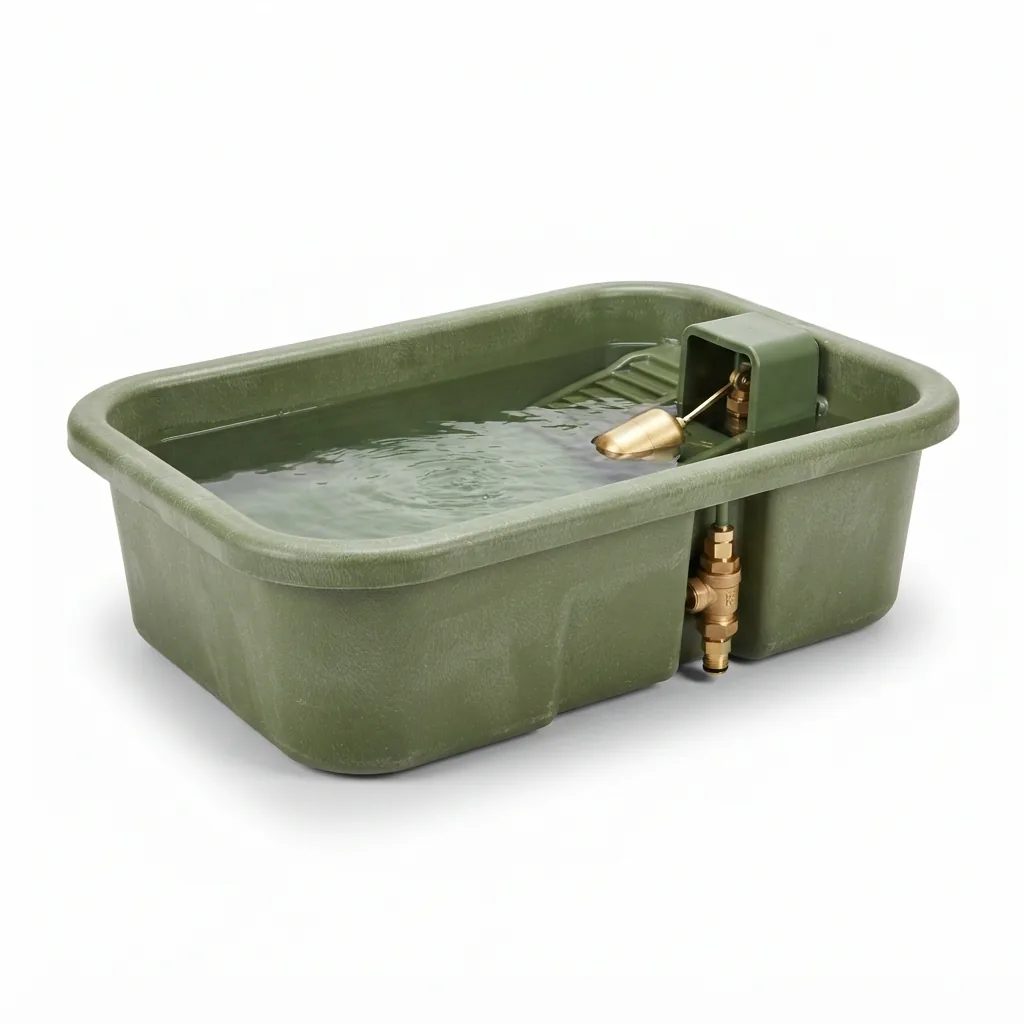
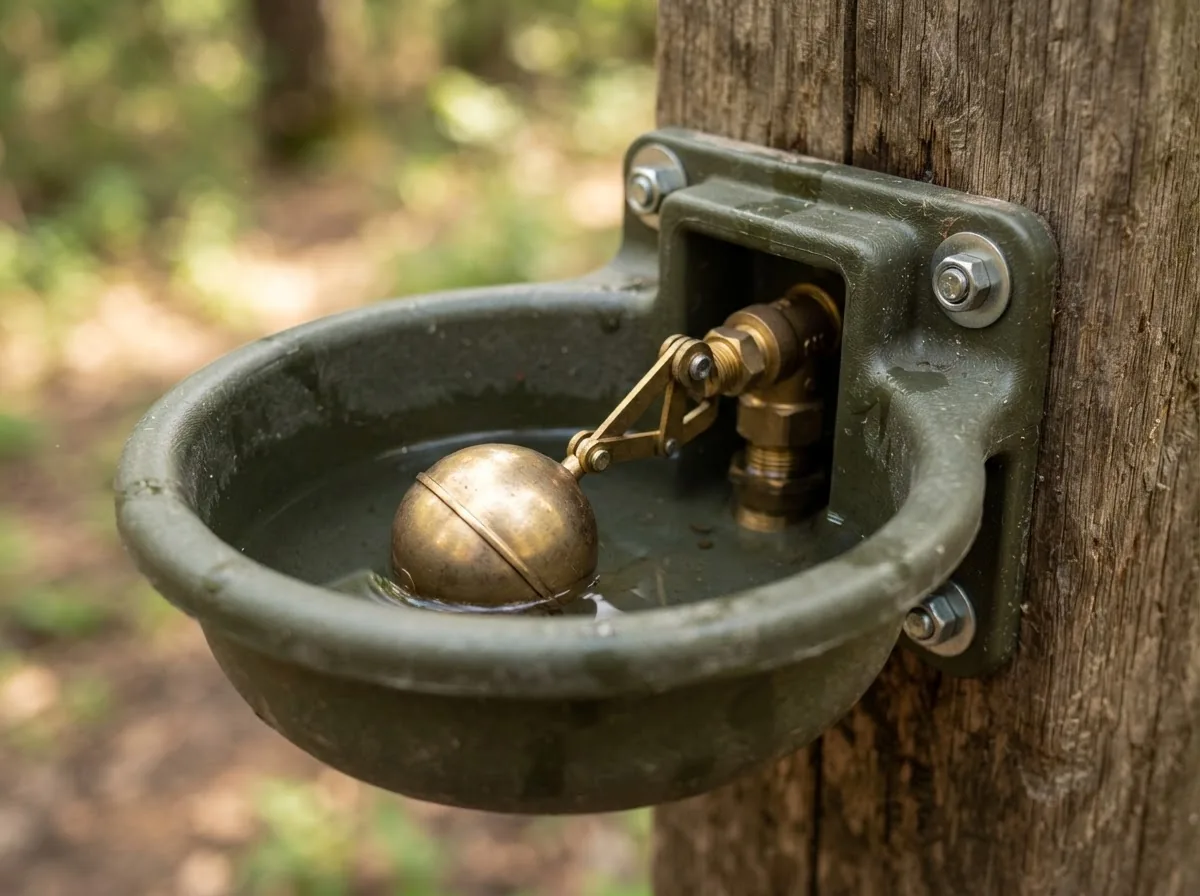
Heavy-duty poly trough equipped with protected brass float valve and internal small animal escape ladder.
- Dimensions28" L × 20" W × 9" H (12-Gallon Basin)
- MaterialsImpact-Resistant Polypropylene, Solid Brass Float
- Warranty5-Year Guarantee
Built in Texas. Turnkey field delivery and installation available statewide.
Overview
A low-pressure float drinker connects to an existing water line, stock tank or storage tank and holds a constant level at ground height, so wildlife drink without the drowning risk of a steep-sided trough. Where you already have water on the property, this is the fastest and least expensive route to a documented supplemental water practice.
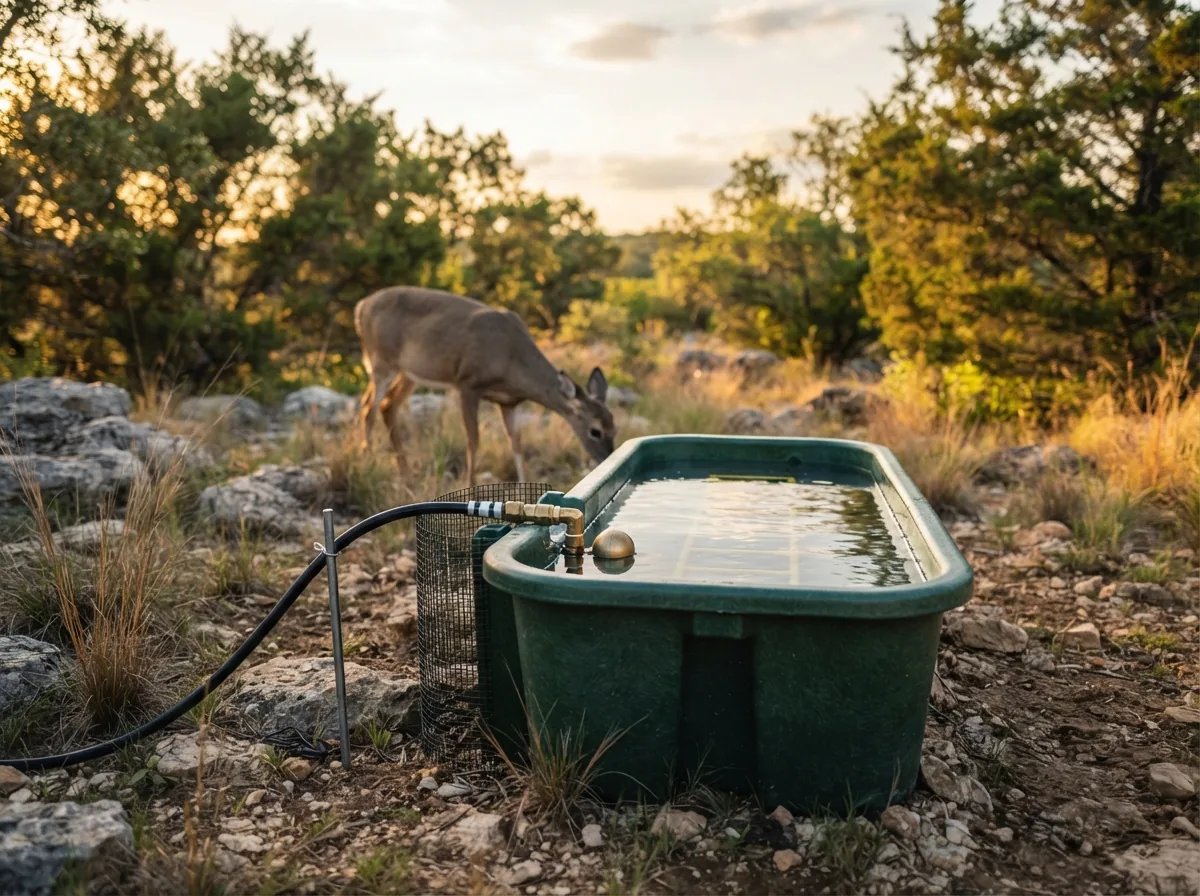
Connects effortlessly to rain tanks, storage barrels, or municipal lines. Designed with ground-level access for birds, deer, small mammals, and pollinators while preventing drowning.
How this counts toward your 1-d-1 wildlife valuation
Supplemental water is the most reliably approved of the seven activities and the one with the largest measurable effect on wildlife use in the Hill Country. Across most of Central and West Texas, water — not food or cover — is the limiting factor from June through September.
This item supports:
- Providing Supplemental Supplies of Water
Texas requires at least three of the seven qualifying wildlife management activities. Highlighted below are the ones this product contributes to:
- Habitat Control
- Erosion Control
- Predator Control
- Providing Supplemental Supplies of Water
- Providing Supplemental Supplies of Food
- Providing Shelters
- Making Census Counts
Qualification is determined by your county Central Appraisal District, and intensity standards vary by ecoregion and property size. Nothing here is tax or legal advice. Confirm your specific activity mix with a certified wildlife biologist before filing.
Siting a water source
- Site water within a quarter mile of usable cover. Deer and quail will not cross long stretches of open ground to drink in daylight.
- One dependable water source per 200 to 300 acres is a defensible density; smaller tracts should still carry at least one.
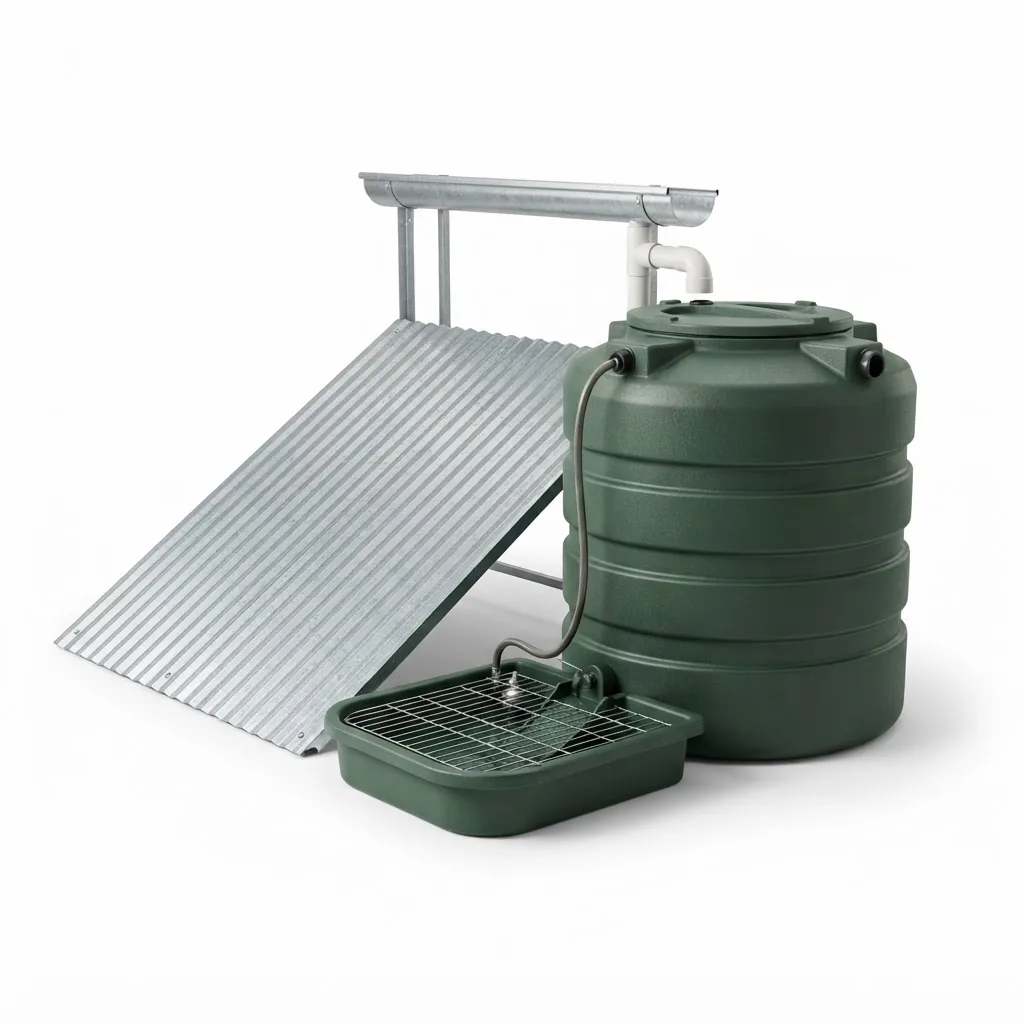
- Place the unit on a gentle slope where a catchment apron can feed it, and avoid low spots that flood and silt up.
- Keep units away from fence lines and roads where livestock or traffic will damage them.
- Every unit must have a wildlife escape ramp. Without one, the trough becomes a mortality sink for birds and small mammals and works against the plan.
Seasonal maintenance
Check water levels monthly through summer, clear the catchment apron of leaf litter before the autumn rains, and scrub algae from the trough twice a year. Photograph the unit holding water during the driest month; a mid-August photo is far more persuasive to an appraisal district than a photo taken in May.
Keep receipts, installation dates and GPS coordinates for each unit, plus dated photographs each year. Game camera images at the water source double as census data supporting Making Census Counts.
Full specifications
| Price | $245 |
|---|---|
| Dimensions | 28" L × 20" W × 9" H (12-Gallon Basin) |
| Materials | Impact-Resistant Polypropylene, Solid Brass Float |
| Category | Supplemental Water |
| Qualifying activity | Supplemental Water Station |
| Warranty | 5-Year Guarantee |
Common questions
Does this work with low water pressure?
Yes. The float valve is designed for gravity-fed and low-pressure supply, so a modest elevation drop from a storage tank is sufficient. No pump or electrical supply is required.
Is a wildlife escape ramp really necessary?
Yes, and it matters more than most landowners realise. Without a ramp, birds and small mammals that fall in cannot climb out, and a drinker installed to help wildlife becomes a mortality sink that undermines the plan it was meant to support.
Can livestock and wildlife share the same drinker?
They can, but a dedicated wildlife unit documents far better. A shared livestock trough invites the argument that the water is an agricultural practice rather than a wildlife management one.
Pairs well with
Need the plan, not just the gear?
Plateau Products supplies the equipment. Wildlife management plans, appraisal district filings and biologist consultations are handled by our sister company, Plateau Land & Wildlife Management, which has filed thousands of Texas wildlife management plans since 1997. Request an assessment and we will route you to the right team.