1,000 lb Free-Choice Protein Feeder
$1,150
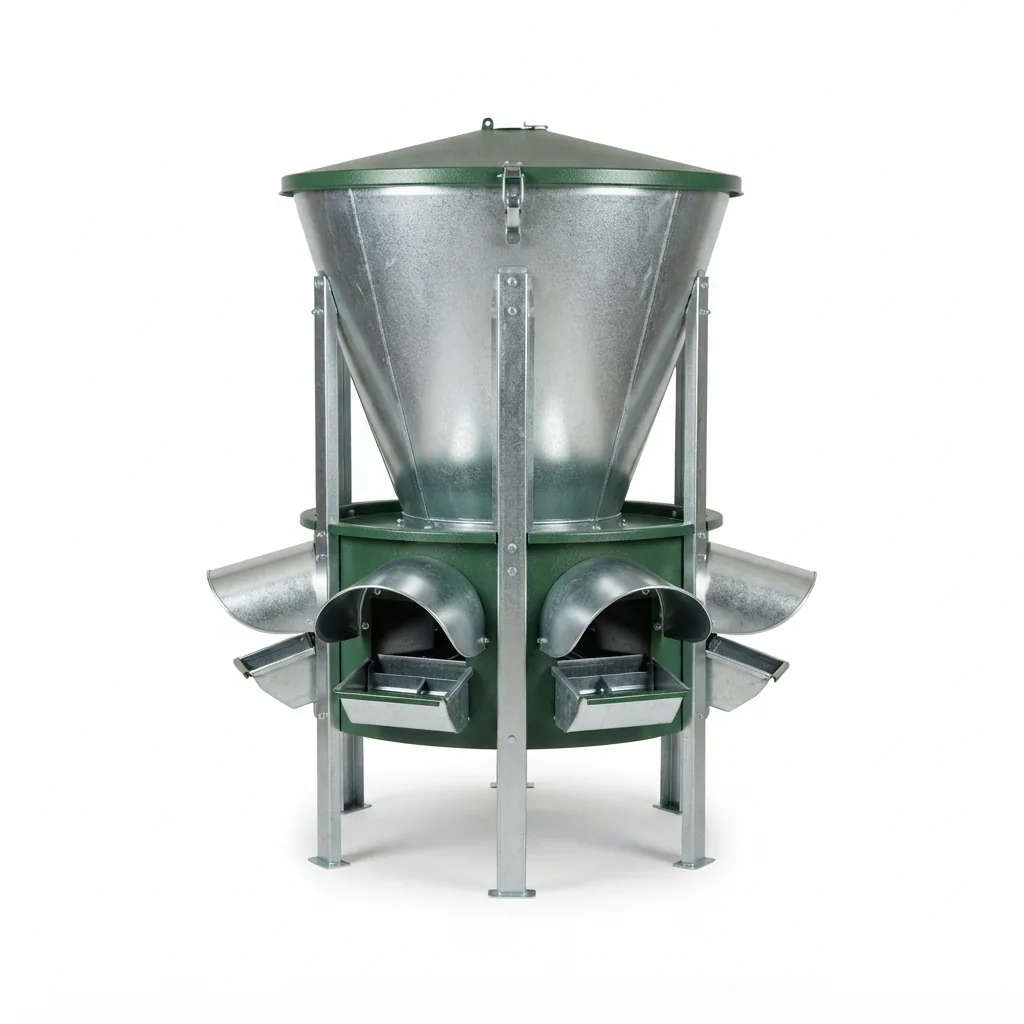
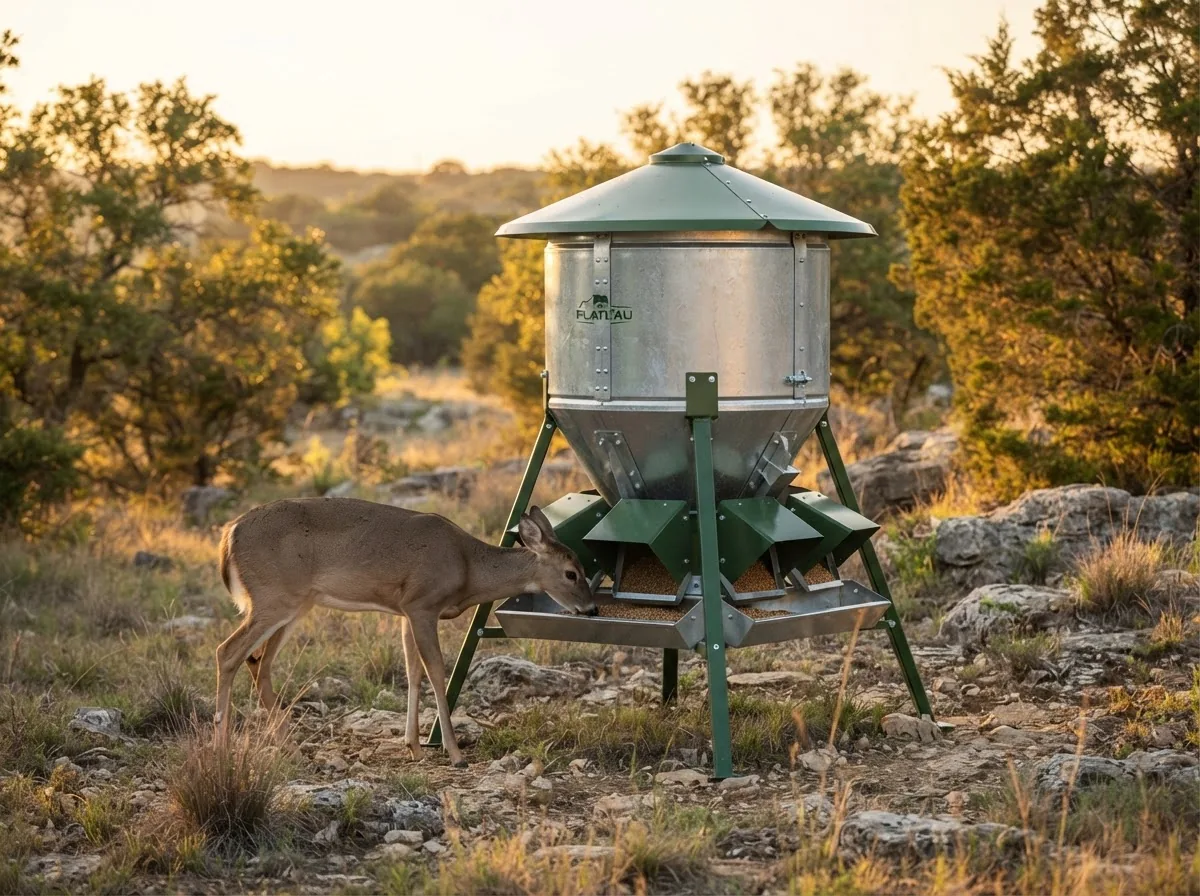
Gravity-fed protein nutrition station with 4 baffled feed ports and moisture-shedding rain hoods.
- Dimensions78" H × 44" W × 44" D
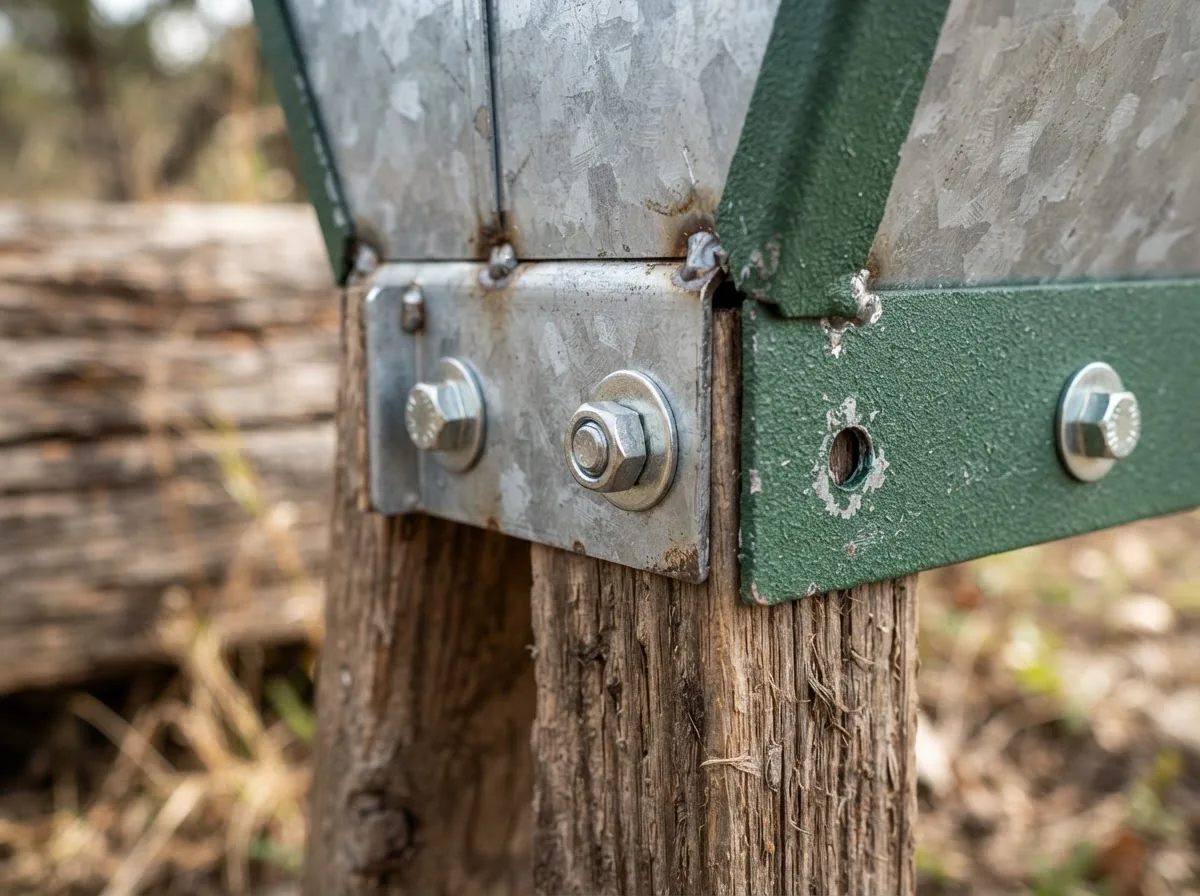
- MaterialsHeavy-Gauge Galvanized & Powder-Coated Steel
- Warranty5-Year Guarantee
Built in Texas. Turnkey field delivery and installation available statewide.
Overview
Free-choice protein is the strongest version of the supplemental food activity. Unlike timed corn, protein pellets are made available continuously and target the genuine nutritional bottleneck in a deer herd: the late-summer and late-winter windows when native browse falls below the protein level required for antler development and lactation. It is a nutrition programme rather than an attractant, and it documents accordingly.
Maximized herd antler growth and body weight conditioning. Gravity baffles ensure continuous clean feed flow with zero mechanical breakdown and built-in feed shut-off gates.
How this counts toward your 1-d-1 wildlife valuation
Supplemental feeding satisfies the Providing Supplemental Supplies of Food activity, but it carries a caveat worth understanding before you buy: appraisal districts across Texas scrutinise feeders more closely than any other activity, because a corn feeder used purely for hunting is not wildlife management. Free-choice protein and a documented year-round programme are viewed very differently from a seasonal corn spinner.
This item supports:
- Providing Supplemental Supplies of Food
- Making Census Counts
Texas requires at least three of the seven qualifying wildlife management activities. Highlighted below are the ones this product contributes to:
- Habitat Control
- Erosion Control
- Predator Control
- Providing Supplemental Supplies of Water
- Providing Supplemental Supplies of Food
- Providing Shelters
- Making Census Counts
Qualification is determined by your county Central Appraisal District, and intensity standards vary by ecoregion and property size. Nothing here is tax or legal advice. Confirm your specific activity mix with a certified wildlife biologist before filing.
Placement and stocking
- One feeder per 100 to 300 acres depending on browse quality and herd density.
- Site feeders within 50 yards of escape cover, not in the middle of an open field.
- Run protein year-round rather than seasonally. Continuity is what distinguishes a management programme from a hunting setup in an appraisal district review.
- Keep feeders at least 100 yards from a property line to avoid drawing wildlife off a neighbour's land, which can create friction and complicate a plan.
- Pair supplemental feed with a documented habitat or census activity. Feeders alone are the weakest of the three activities you will claim.
Upkeep and documentation
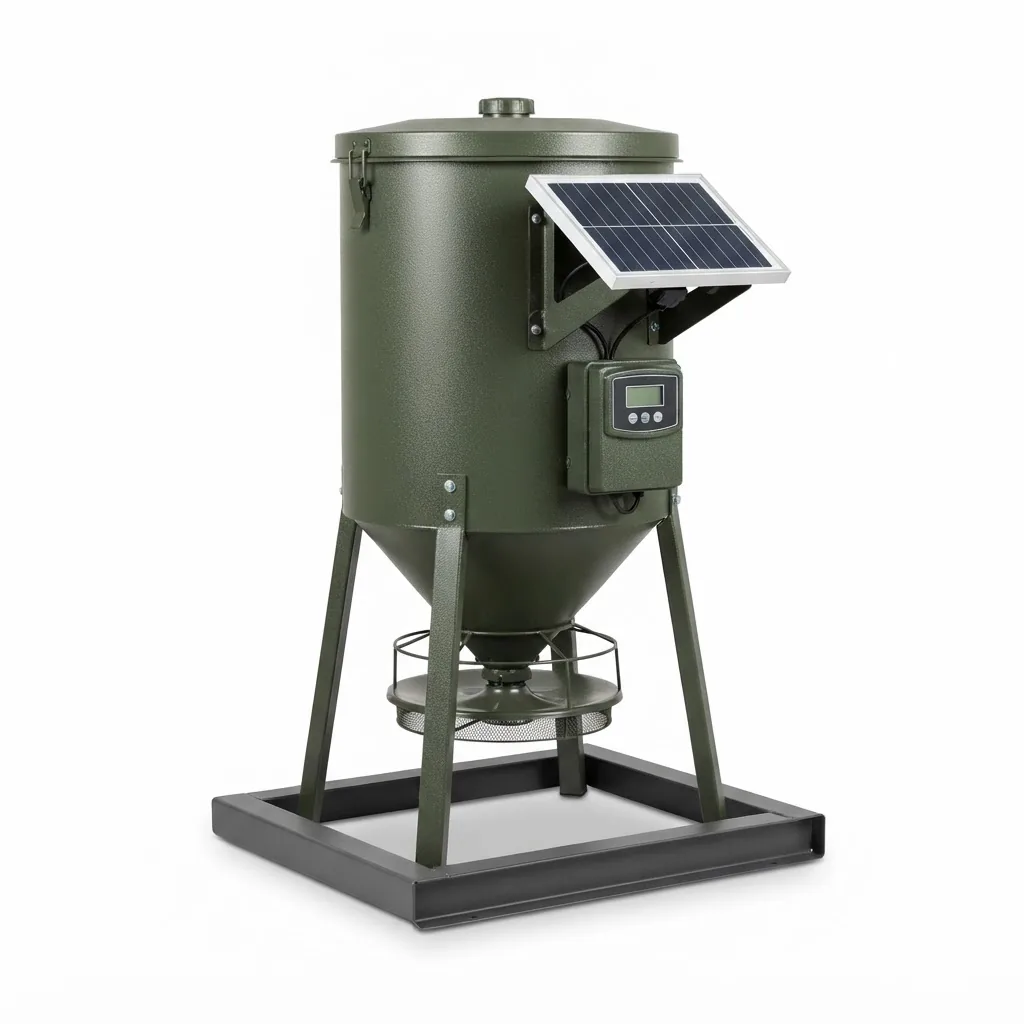
Check batteries and solar panels quarterly, clear spinner plates of caked feed, and keep every feed receipt. The volume of feed purchased across a full year is the single strongest piece of evidence that a feeding programme is real.
Retain dated feed receipts, refill logs and game camera imagery. Feed tonnage per year, recorded consistently, is what carries this activity through review.
Full specifications
| Price | $1,150 |
|---|---|
| Dimensions | 78" H × 44" W × 44" D |
| Materials | Heavy-Gauge Galvanized & Powder-Coated Steel |
| Category | Solar & Feeders |
| Qualifying activity | Supplemental Food for Deer & Wildlife |
| Warranty | 5-Year Guarantee |
Common questions
Is protein feeding better than corn for a wildlife exemption?
For documentation purposes, considerably. Corn is an attractant with limited nutritional value and is closely associated with hunting; free-choice protein is a continuous nutrition programme that addresses a measurable deficiency. Appraisal districts treat the two quite differently.
What protein percentage should I use in Texas?
16 to 20 percent is the usual range. The critical periods are late summer, when native browse quality collapses, and late winter. Year-round availability documents better than seasonal feeding and avoids the digestive upset that comes with abrupt starts and stops.
How much protein will a 1,000 lb feeder dispense?
Consumption varies with herd density and browse conditions, but a rough planning figure is one pound per deer per day during peak periods. Track actual consumption from refill intervals: that record is your documentation.
Can I run protein and corn from the same site?
It is generally better not to. Deer preferentially select corn over protein, which undercuts the nutritional purpose and weakens the case that the site is a management practice rather than a hunting setup.
Pairs well with
Need the plan, not just the gear?
Plateau Products supplies the equipment. Wildlife management plans, appraisal district filings and biologist consultations are handled by our sister company, Plateau Land & Wildlife Management, which has filed thousands of Texas wildlife management plans since 1997. Request an assessment and we will route you to the right team.